
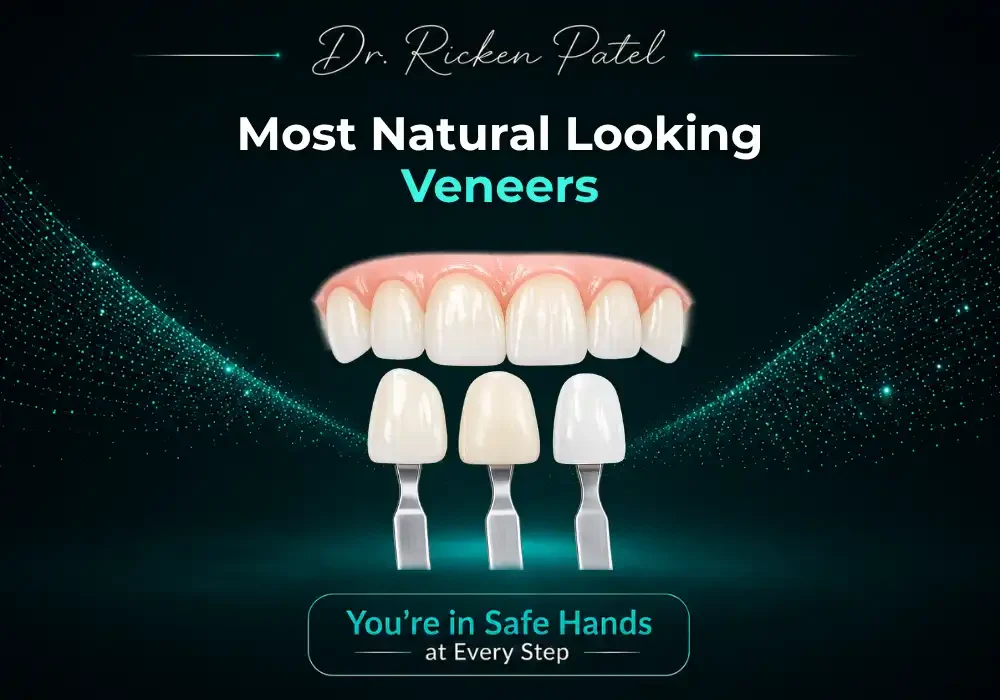
Natural-looking smiles have become the top priority in cosmetic dentistry as nearly 80% of patients prefer veneers that look realistic rather than overly white according to the American Academy of Cosmetic Dentistry Modern porcelain veneers are designed to replicate natural enamel using advanced translucency texture and light reflection technology while the Most Natural Looking Veneers are fully customized based on facial symmetry tooth shape skin tone and smile proportions In this guide you will discover the best natural looking veneers how to choose the right veneer color and why some veneers appear more realistic than others
What Are the Most Natural Looking Veneers?
The most natural looking veneers are usually ultra-thin porcelain veneers designed to mimic the translucency and light reflection of natural enamel. However, achieving a realistic smile involves more than choosing the right color.
cosmetic dentists focus on several details simultaneously, including:
- Tooth translucency
- Surface texture
- Shape proportions
- Edge contouring
- Smile symmetry
- Gum harmony
Even small changes in width-to-length ratios can dramatically affect whether veneers appear natural or artificial.
The most natural veneers have:
- Slight translucency near the edges
- Soft texture patterns
- Individualized tooth anatomy
- Balanced proportions
- Non-uniform characteristics similar to natural teeth
Patients often assume brighter veneers automatically look better. However, overly white veneers are one of the primary reasons cosmetic dental work appears fake. Many cosmetic dentists recommend shades within the B1 to A1 range because they provide brightness while still maintaining realism.
Types of Veneers That Look Most Natural
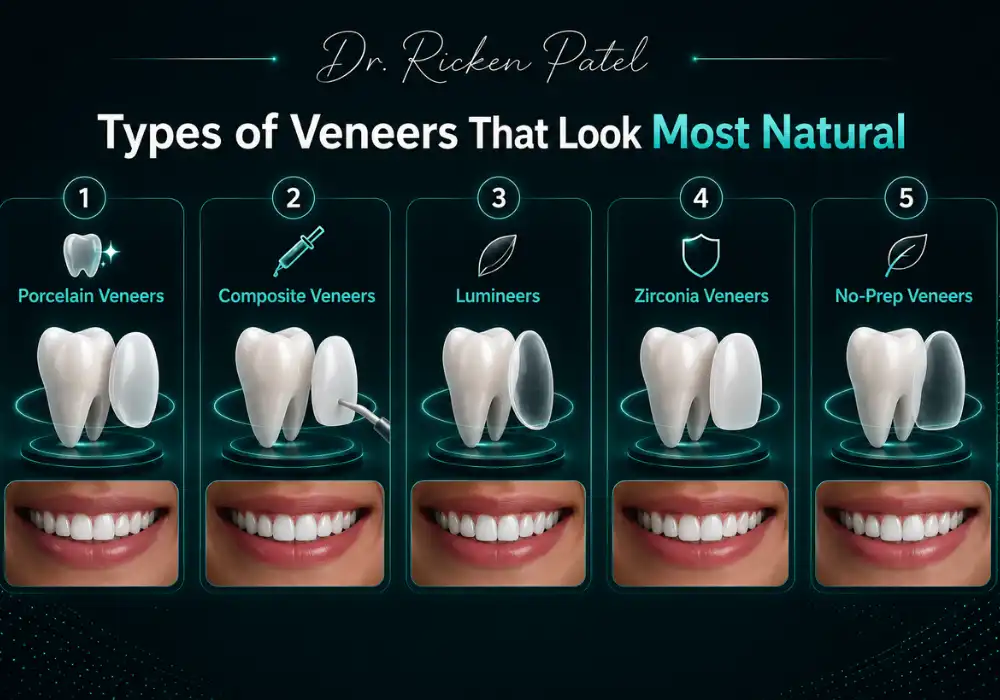
Different veneer materials produce different aesthetic results. Understanding these options is essential when choosing the most natural veneers for your smile.
1-Porcelain Veneers
Porcelain veneers are widely considered the gold standard for natural-looking cosmetic dentistry. High-grade dental porcelain closely resembles the translucency and reflective properties of enamel.
Benefits include:
- Exceptional stain resistance
- Natural light reflection
- Long-lasting aesthetics
- Customized shaping and layering
porcelain veneers can maintain their appearance for 10 to 15 years or longer with proper care.
2-Composite Veneers
Composite veneers use tooth-colored resin applied directly to the teeth. While modern composite materials have improved significantly, they generally do not replicate natural enamel as accurately as porcelain.
Advantages include:
- Lower cost
- Faster treatment
- Minimal tooth preparation
- Easier repairs
3-Lumineers
Lumineers are a type of ultra-thin veneer requiring minimal enamel removal. Their thin structure can create a soft and natural appearance when properly planned.
They are often suitable for:
- Small cosmetic corrections
- Patients with healthy enamel
- Mild discoloration
4-Zirconia Veneers
Zirconia veneers are extremely strong but less translucent than traditional porcelain. Because of this, they may appear slightly less natural in highly aesthetic areas such as the front teeth.
They are more commonly recommended for:
- Patients with heavy bite forces
- Bruxism or teeth grinding
- Posterior restorations
5-No-Prep Veneers
No-prep veneers preserve most of the natural tooth structure and can create highly conservative smile enhancements.
These veneers work best for:
- Small teeth
- Minor spacing issues
- Patients want subtle improvements
Choosing the right veneer type depends on your smile goals and facial structure, and a professional consultation for Cosmetic Dental Services can help you achieve the most natural and balanced results.
What Makes Veneers Look Natural?
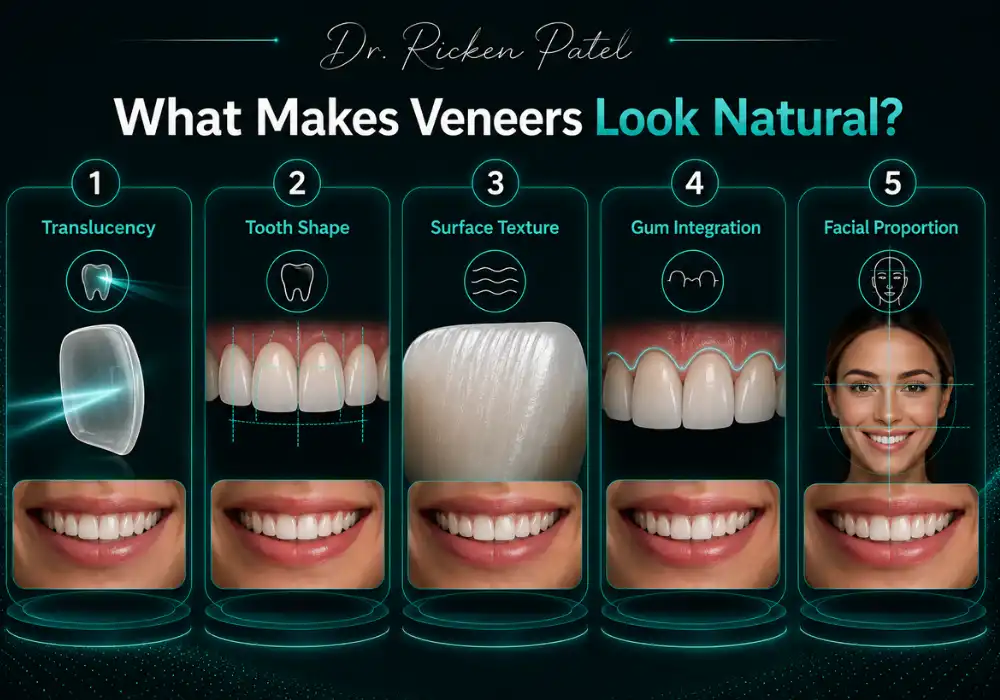
Several cosmetic and functional factors determine whether veneers appear realistic or artificial.
1-Translucency
Natural enamel is partially translucent. High-quality porcelain veneers mimic this characteristic by allowing light to pass through the material rather than reflect it unnaturally.
2-Tooth Shape
Natural teeth are not perfectly square or identical. Slight asymmetries create realism.
Experienced cosmetic dentists design veneers with:
- Rounded edges
- Individual contours
- Natural width-to-length ratios
3-Surface Texture
Natural enamel contains subtle texture variations that reflect light differently.
Modern veneers can replicate:
- Micro-texture
- Vertical ridges
- Natural gloss patterns
4-Gum Integration
Healthy gum architecture plays a major role in aesthetics. Uneven gums can make even expensive veneers look unnatural.
Gum symmetry strongly influences perceived attractiveness and smile harmony.
5-Facial Proportion
The best natural veneers are customized to fit:
- Face shape
- Lip position
- Smile width
- Age
- Skin tone
A smile that fits the entire face will always appear more authentic than a generic bright-white design.
Why Some Veneers Look Fake
Poorly designed veneers can create an artificial appearance that draws unwanted attention.
Common reasons veneers look fake include:
- Overly White Color
- Oversized Teeth
- Lack of Translucency
- Poor Gum Contouring
- Inexperienced Cosmetic Planning
How Long Do Natural Veneers Last?
The lifespan of veneers depends on:
- Material quality
- Oral hygiene
- Bite forces
- Lifestyle habits
- Dentist experience
Average longevity:
- Porcelain veneers: 10–15+ years
- Composite veneers: 4–7 years
According to a 2021 systematic review published in the National Library of Medicine (PMC), porcelain laminate veneers show a 10-year survival rate of approximately 95%.
Factors that effect in veneer lifespan:
- Avoid biting hard objects
- Wear a nightguard if you grind your teeth
- Maintain regular dental cleanings
- Practice excellent oral hygiene
- Limit tobacco use
Properly maintained veneers can remain beautiful and natural-looking for many years.
Read More About: Permanent Veneers Price
How to Choose a Natural Veneer Color
Choosing the correct veneer shade is one of the most important decisions during cosmetic treatment.
Most cosmetic dentists recommend selecting shades that harmonize with:
- Eye color
- Skin undertones
- Age
- Existing teeth
The most natural veneer shades are typically:
- A1
- B1
- Natural ivory tones
A natural veneer color should:
- Reflect light softly
- Match surrounding teeth
- Avoid opaque whiteness
- Blend with facial characteristics
Book a consultation for your natural veneer shade.
Conclusion
The most natural looking veneers are those carefully customized to match your facial features, smile structure, and aesthetic goals. Porcelain veneers are generally considered the most realistic option due to their superior translucency and light reflection, but the final result depends on precise cosmetic planning and dentist expertise. Natural aesthetics rely on key factors such as tooth shape, color balance, translucency, and gum harmony. Choosing an experienced cosmetic dentist is essential to achieving a subtle, realistic smile that enhances appearance without looking artificial.
FAQ about most natural looking veneers
1. What are the most natural looking veneers made of?
High-quality porcelain veneers are generally considered the most natural because they closely mimic the translucency and light reflection of natural enamel.
2. Do porcelain veneers look more natural than composite veneers?
Yes. Porcelain veneers typically provide better translucency, texture, and stain resistance compared to composite veneers.
3. What veneer color looks most natural?
Shades such as A1 and B1 are commonly considered natural-looking because they provide brightness without appearing excessively white.
4. Can veneers look completely natural?
Yes. When designed by an experienced cosmetic dentist, veneers can blend seamlessly with natural teeth and facial features.
5. Why do some veneers look fake?
Fake-looking veneers are usually caused by overly white shades, oversized teeth, poor translucency, or inadequate cosmetic planning.
6. How long do natural-looking porcelain veneers last?
Most porcelain veneers last between 10 and 15 years, although many can last longer with proper care and maintenance.
7. Are no-prep veneers more natural?
In some cases, yes. No-prep veneers preserve more natural tooth structure, which can contribute to a softer and more conservative appearance.