
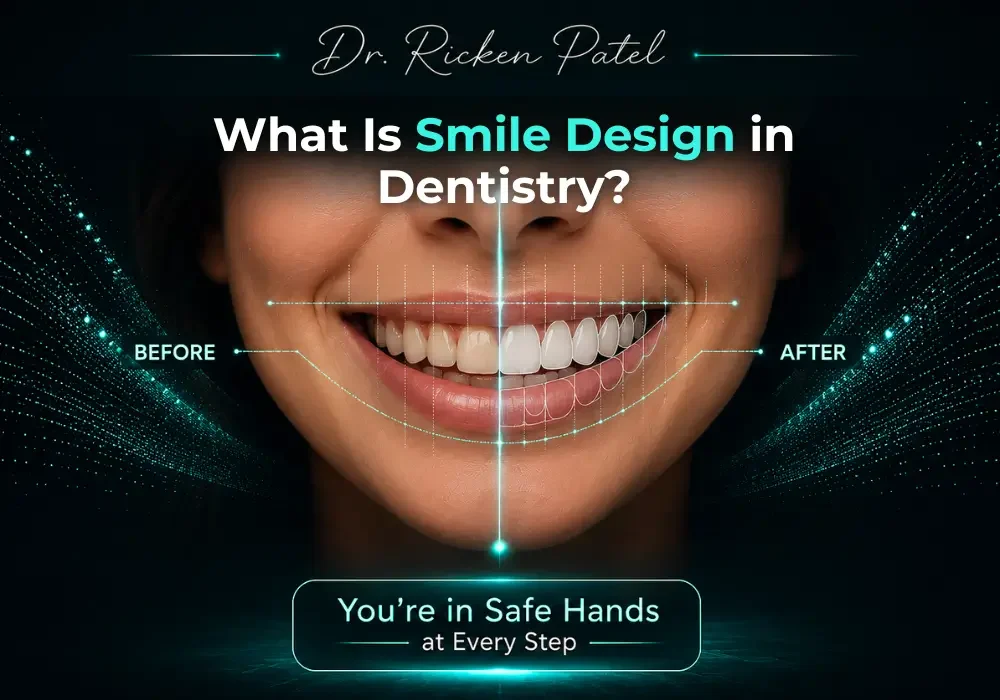
A beautiful smile isn’t just about having white teeth; it’s about feeling comfortable and confident every time you smile. That’s where smile design in dentistry comes in. It’s a personalized approach that blends art and science to enhance both the look and function of your smile in a way that suits you.
In this guide, we’ll explain what is smile design in dentistry, how it works, and what to expect before choosing this treatment.
What Is Smile Design in Dentistry?
Smile design is a customized dental process that creates a look tailored specifically to you. Rather than just “fixing your teeth,” it looks at the big picture, including your facial features, skin tone, and lip line, to ensure your new smile fits your personality.
They consider things like:
- The shape of your face
- How your lips move when you smile
- The size, shape, and color of your teeth
The goal isn’t just to make your teeth look better; it’s to create a smile that feels natural and comfortable.
Benefits of Smile Design in Dentistry
Understanding what is smile design in dentistry also means understanding how it can improve your daily life:
- You’ll feel more confident and comfortable when you smile and talk
- Your smile looks brighter, more balanced, and natural
- It’s designed to suit your face, so it still feels like you
- It can also improve your oral health by fixing alignment and function
Who Needs Smile Design Treatment?
Smile design is suitable for anyone unhappy with their smile, and it’s a great option if you have:
- Stained or discolored teeth
- Gaps between your teeth
- Crooked or misaligned teeth
- Chipped or broken teeth
- An uneven gum line
Whether you’re looking for a small touch-up or a complete smile makeover, smile design can be tailored to fit exactly what you need.
The Smile Design Process
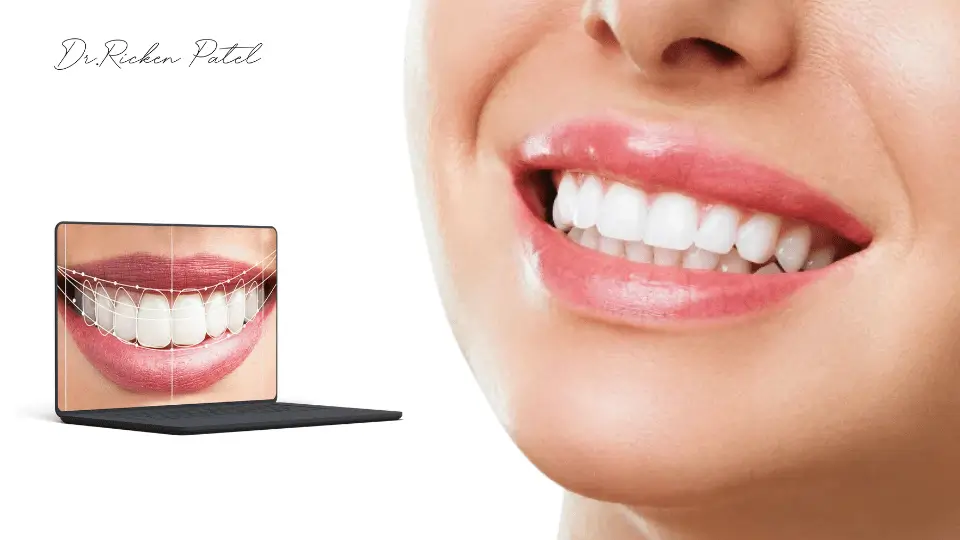
Smile design is a simple, guided process that starts with a conversation about what you’d like to change and how you want your smile to look. From there, your dentist takes a close look at your teeth, gums, and facial features to understand what will suit you best.
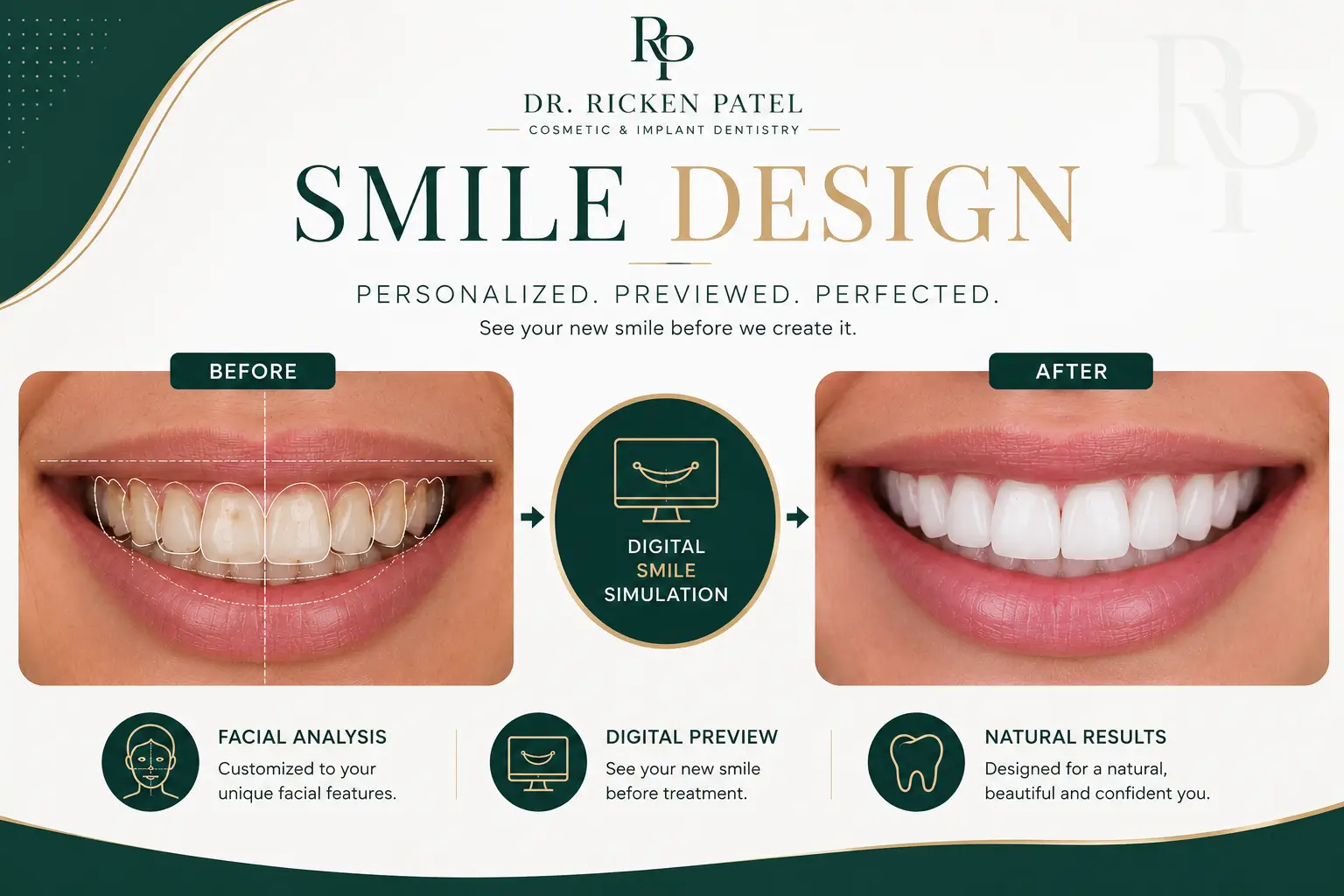
In many cases, you’ll even get to see a preview of your new smile before anything begins, which helps you feel more confident about the results. After that, a personalized treatment plan is created just for you.
The actual treatments can vary depending on your needs (whether it’s whitening, veneers, or fixing alignment), but everything is done step by step with your comfort in mind. By the end, you’re left with a smile that looks natural, feels comfortable, and most importantly… feels like you.
Technologies Used in Modern Smile Design
Today, smile design isn’t just about skill; it’s also about using the right technology to get the best results. A modern cosmetic dentist relies on advanced tools to make the entire process easier and more accurate:
- Digital Smile Design (DSD) for previewing results
- 3D scanning for precise measurements
- CAD/CAM technology for creating restorations
- Laser dentistry for gum contouring
These technologies make the process faster, safer, and help deliver results you can feel confident about.
How Dentists Analyze Your Smile
Dentists consider several factors to design your smile, such as:
- Tooth shape and size to match your facial features
- Tooth color and alignment for a balanced, natural look
- Gum position to ensure a healthy and even smile line
- Facial symmetry, so everything looks harmonious
- Lip movement when smiling to enhance how your smile appears in real life
This detailed analysis ensures your smile looks natural, and uniquely yours, not artificial.
Common Procedures in Smile Design
Smile design isn’t just one treatment; it’s usually a mix of different procedures chosen based on what your smile really needs. Some of the most common treatments include:
- Teeth whitening to brighten your smile
- Veneers to improve the shape, size, and color of your teeth
- Braces or clear aligners to straighten teeth and fix spacing
- Dental bonding to repair small chips or gaps
- Gum contouring to reshape the gum line and improve balance
- Crowns to restore damaged or uneven teeth
- Dental implants to replace missing teeth
- Tooth reshaping for subtle improvements
- Inlays and onlays to repair teeth in a more natural-looking way
Sometimes, your dentist may combine several of these treatments into a full smile makeover to completely transform your smile.
Read More About: Smile Design Types
Before and After Results of Smile Design
How Long Does Smile Design Last?
The longevity depends on the procedures used:
- Teeth Whitening may last from a few months up to a couple of years.
- Veneers typically last 10-15 years, and even longer if well cared for.
SO, Is Smile Design Permanent?
If your treatment includes orthodontics, the results can be long-lasting as long as you keep up with wearing your retainers.
In general, taking good care of your teeth and keeping up with regular dental visits will help you enjoy your new smile for as long as possible.
How to Choose the Right Dentist for Smile Design
Choosing the right dentist can make a big difference in how your final smile looks and feels. You want someone who understands both the art and science behind a natural-looking smile.
Here are a few helpful things to think about:
- Experience in cosmetic dentistry
- Real before-and-after results you can review
- Use of modern technology
- Positive feedback from patients
- A clear, personalized treatment plan
A skilled professional like Dr. Ricken Patel, for example, focuses on blending advanced techniques with a personal touch, so your smile doesn’t just look good, it actually suits your face and feels like you.
Thinking About Improving Your Smile?
Meet with Dr. Ricken Patel to explore your options and discover the best treatment plan for your ideal smile.
📞 Quick response • Personalized advice
Trusted by 15K+ happy patients
Cost of Smile Design in Dentistry
The cost of smile design can vary from person to person, depending on:
- Number of procedures
- How complex your case is
- Clinic location and technology used
For some people, it might be a simple and affordable improvement, while for others, it could involve a full smile makeover.
Conclusion
Your smile is one of the first things people notice, and it can say a lot about how you feel. Smile design isn’t just about changing how your teeth look; it’s about helping you feel more confident every time you smile. Once you understand what is smile design in dentistry and how it works, it becomes much easier to choose what’s right for you. And if you’ve been thinking about improving your smile, this could be the perfect time to finally take that step.
FAQs About Smile Design in Dentistry
1. Is Smile Design Painful?
Not really. Most procedures are gentle and minimally invasive, so you’ll usually feel little to no discomfort.
2. How Long Does Smile Design Take?
It depends on your case. Some treatments can be completed in just a few days, while others may take a few weeks to achieve the best results.
3. Is Smile Design Safe?
Yes, when it’s done by a qualified dentist using modern techniques, it’s considered very safe.
4. Can Anyone Get a Smile Design?
Most people can, but you’ll need a dental check-up first to make sure it’s the right option for you.
5. Is Smile Design Permanent?
Many results last a long time, but like anything else, your smile will need proper care and maintenance to stay looking its best.