
Many people assume that the hardest dental procedures are simply the most painful ones. But in reality, the answer to “what is the most difficult dental procedure” often depends more on the complexity of the treatment for the dentist, not just the patient. Some procedures require advanced planning, precision, and modern technology to achieve successful results. So, let’s explore the most complicated dental procedures and what makes them so challenging.
Why Some Dental Procedures Are More Complex Than Others
Some dental procedures are more complex because every smile and every dental problem is different. Simple treatments may address only one issue, while more advanced procedures often involve multiple steps, careful planning, and greater precision.
The condition of your teeth and gums, the severity of the problem, and whether the treatment needs to restore both function and appearance can all affect how complex a procedure becomes.
In many cases, more involved treatments simply require extra time and expertise to ensure the best possible long-term results.
Read More About: What Is The Most Feared Dental Procedure?
What Is the Most Difficult Dental Procedure?
Some dental procedures are more challenging than others because they involve far more than simply treating a single tooth.
They often require careful planning, advanced techniques, and a high level of precision to make sure the final result looks natural, feels comfortable, and works properly for years to come.
For this reason, many patients choose an experienced cosmetic dentist who can combine both functional and aesthetic expertise during treatment.
The 5 Most Complicated Dental Procedures for Dentists
Here are 5 of the most complicated dental procedures and why they can be more demanding:
1. Full Mouth Reconstruction
When discussing what is the most difficult dental procedure, many dentists consider full mouth reconstruction to be one of the most challenging treatments in modern dentistry.
This is because full mouth reconstruction often combines several advanced procedures together, including:
- Dental implants
- Bite correction
- Crowns and bridges
- Gum treatment
- Cosmetic dentistry
- Jaw alignment correction
Every detail must work together precisely to restore both function and appearance. Even small errors in bite alignment or implant positioning can affect long-term results.
2. Complex Dental Implant Surgery
Dental implants may seem straightforward, but complex implant cases can become highly challenging, especially when patients have:
- Bone loss
- Gum disease
- Multiple missing teeth
- Sinus complications
- Previous implant failure
In these situations, additional procedures like bone grafting or sinus lifts may be necessary before implant placement.
Modern implant surgery often uses:
- 3D imaging
- Computer-guided implant placement
- Digital surgical planning
These technologies improve precision and reduce complications, but successful outcomes still depend heavily on the skill and experience of the dentist.
3. Advanced Root Canal Retreatment
Root canal retreatment is usually more difficult than the original root canal procedure.
This happens when:
- Infection returns
- The hidden canals were missed
- Old restorations fail
- Complex root anatomy exists
The dentist must carefully remove previous filling materials, clean the canals again, and preserve as much healthy tooth structure as possible.
Advanced retreatment cases require excellent precision because the tooth is often weaker than before.
4. Corrective Jaw Surgery
Corrective jaw surgery, also called orthognathic surgery, is one of the most technically demanding procedures in dentistry and oral surgery.
It is commonly used to treat:
- Severe bite problems
- Jaw misalignment
- Facial asymmetry
- Difficulty chewing or speaking
- Sleep apnea related to jaw structure
This treatment requires coordination between dental and surgical specialists to improve both function and facial balance.
What makes these procedures more complex isn’t just the treatment itself; it’s the level of care, planning, and expertise needed to achieve results that are healthy, stable, and built to last.
5. Severe Bite Correction Cases
Severe bite correction cases can be surprisingly difficult because even small adjustments affect how the upper and lower teeth fit together.
Patients may suffer from:
- Overbite
- Underbite
- Crossbite
- Open bite
- TMJ discomfort
Complex bite correction may involve:
- Braces or clear aligners
- Tooth reshaping
- Dental restorations
- Jaw surgery in severe cases
Achieving a balanced bite requires careful planning to avoid long-term complications such as jaw pain, uneven wear, or chewing problems.
How Technology Has Improved Complicated Dental Procedures
Technology has transformed the way dentists perform complex treatments.
Modern dental clinics now use advanced tools that improve:
- Accuracy
- Treatment planning
- Patient safety
- Comfort
- Long-term outcomes
Some important innovations include:
- 3D CBCT imaging
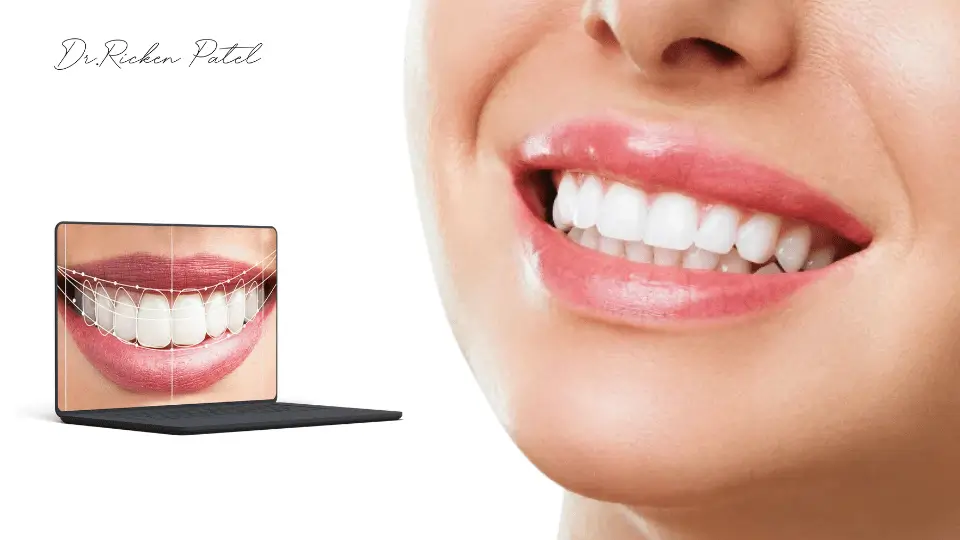
- Digital smile design
- Computer-guided implant surgery
- Intraoral digital scanners
- Laser dentistry
- CAD/CAM restorations
These technologies allow dentists to diagnose problems earlier, plan treatments more accurately, and create more predictable results for patients.
They also help reduce treatment time, discomfort, and recovery in many complicated dental procedures.
How Dr. Riken Patel Handles Complex Dental Cases
Dr. Riken Patel understands that complex dental procedures require more than technical skill alone. Successful treatment also depends on careful planning, patient communication, and personalized care.
By combining advanced dental technology with modern treatment techniques, Dr. Patel creates customized solutions for patients with challenging dental conditions.
His approach focuses on:
- Detailed digital diagnostics
- Comprehensive treatment planning
- Patient comfort
- Natural-looking results
- Long-term oral health
Whether a patient needs dental implants, bite correction, cosmetic dentistry, or full-mouth reconstruction, Dr. Patel takes the time to explain each step and ensures the treatment experience is as smooth and stress-free as possible.
Not Sure Which Dental Treatment Is Right for You?
Get personalized guidance from Dr. Riken Patel and discover the best solution for your smile, bite, and oral health needs.
✓ Advanced Digital Diagnostics
✓ Cosmetic & Restorative Solutions
✓ Personalized Treatment Plans
✓ Comfortable Modern Dentistry
Conclusion
When people ask what is the most difficult dental procedure, the answer usually depends on how complex the treatment is, rather than how painful it may be. Procedures like full mouth reconstruction, jaw surgery, and complex dental implants require advanced skills, careful planning, and modern technology.
The good news is that modern dentistry has made these treatments safer, more comfortable, and more effective than ever before. With the right dentist and treatment plan, patients can improve both their oral health and their smile with confidence.
Frequently Asked Questions
1. What is Considered The Most Difficult Dental Procedure?
Many dentists consider full mouth reconstruction one of the most difficult procedures because it combines multiple complex treatments into one comprehensive plan.
2. Are Complicated Dental Procedures Painful?
Modern dentistry uses advanced anesthesia, sedation, and minimally invasive techniques to make treatments much more comfortable than in the past.
3. Why are Dental Implant Surgeries Sometimes Difficult?
Complex implant cases may involve bone loss, gum disease, sinus issues, or multiple missing teeth, which require advanced surgical planning.
4. What Makes Bite Correction Complicated?
Bite correction affects chewing, jaw function, tooth alignment, and facial balance, requiring careful precision during treatment.
5. Can Technology Improve Complicated Dental Procedures?
Yes. Technologies such as 3D imaging, digital scanners, and computer-guided surgery help improve accuracy, comfort, and treatment outcomes.
6. How Do I Know If I Need Complex Dental Treatment?
A full dental examination, including digital imaging and bite analysis, helps determine whether advanced treatment is necessary for your case.